
Chartering – Customized Vessel and Aircraft Charter Solutions
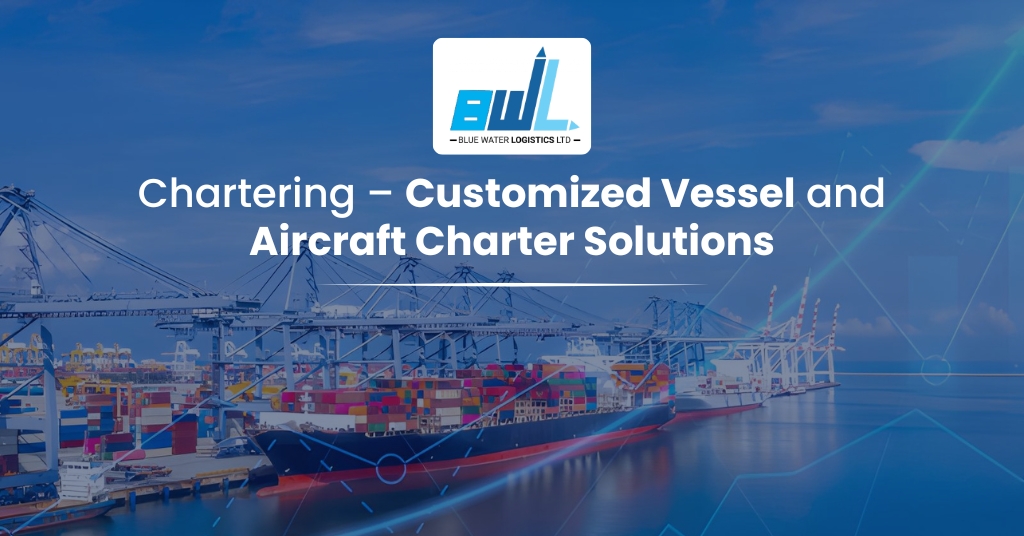
Chartering – Customized Vessel and Aircraft Charter Solutions Chartering – Customized Vessel and Aircraft Charter Solutions In today’s fast-moving global trade environment, businesses often encounter cargo requirements that cannot be accommodated through conventional shipping or air freight schedules. Oversized cargo, urgent shipments, project logistics, or cargo destined for remote locations frequently require specialized transport solutions. This is where chartering services play a critical role. Chartering offers businesses the flexibility to secure an entire vessel or aircraft dedicated exclusively to their cargo, ensuring efficient, secure, and timely transportation. By providing customized transport solutions, chartering enables companies to move complex shipments across international markets without the limitations of regular shipping schedules. Understanding Chartering in Logistics Chartering refers to the process of hiring a vessel or aircraft for the transportation of cargo. Unlike standard shipping arrangements where cargo space is shared with other consignments, chartering allows organizations to utilize the entire capacity of a vessel or aircraft for their specific shipment. This approach is particularly valuable when transporting large volumes of cargo, heavy equipment, project materials, or time-sensitive shipments. By arranging dedicated transport, businesses gain greater control over routing, scheduling, and cargo handling. Chartering solutions are commonly used in industries such as energy, construction, manufacturing, mining, oil and gas, and infrastructure development, where logistics requirements are often complex and specialized. Types of Chartering Services Chartering services typically fall into two primary categories: vessel chartering and aircraft chartering. Vessel Chartering Vessel chartering is widely used for transporting large quantities of cargo via sea routes. It is particularly suitable for heavy machinery, industrial equipment, bulk cargo, and project materials that require significant cargo space. Depending on the cargo requirements, companies may choose different types of vessel charter arrangements, including: Full vessel charter, where the entire ship is dedicated to one client’s cargo. Part cargo charter, where a portion of the vessel is reserved for a specific shipment. Voyage charter, which is arranged for a specific route and cargo movement. Vessel chartering offers businesses the flexibility to transport cargo that may not fit within standard containerized shipping systems. Aircraft Chartering For time-critical shipments or cargo that requires rapid delivery, aircraft chartering provides a highly efficient solution. Dedicated cargo aircraft can transport urgent shipments directly between locations without the delays associated with scheduled commercial flights. Aircraft chartering is commonly used for: Urgent industrial equipment Humanitarian relief supplies Medical equipment High-value cargo Time-sensitive manufacturing components With aircraft chartering, businesses benefit from speed, reliability, and customized routing, ensuring that critical cargo reaches its destination on time. Advantages of Chartering Solutions Chartering services provide several advantages for businesses dealing with complex logistics requirements. Flexibility in Transportation One of the key benefits of chartering is flexibility. Companies can choose vessels or aircraft that match the specific size, weight, and nature of their cargo. This allows businesses to transport oversized or specialized shipments without restrictions. Faster Delivery for Critical Cargo Aircraft chartering, in particular, enables rapid transportation of urgent shipments. When production timelines or operational requirements demand immediate delivery, chartered aircraft provide the speed needed to minimize delays. Direct Routing Chartered vessels and aircraft can often travel directly between origin and destination ports or airports. This reduces transit times and minimizes the risk of cargo handling during intermediate stops. Enhanced Cargo Safety Since chartered transport is dedicated to a single shipment or client, cargo handling processes can be more carefully managed. This helps ensure safe transportation, especially for delicate or high-value goods. Ideal for Project Logistics Large infrastructure projects frequently require the transportation of heavy machinery, turbines, pipelines, or construction equipment. Chartering allows these oversized components to be moved efficiently without dismantling or complex packaging. Industries That Benefit from Chartering Many industries rely on chartering services to support their logistics operations. Some of the key sectors include: Oil and Gas Industry – Transport of drilling equipment, pipelines, and specialized machinery. Construction and Infrastructure – Movement of heavy project cargo such as turbines, cranes, and structural components. Manufacturing – Delivery of oversized machinery or urgent production components. Energy Sector – Transport of wind turbine blades, generators, and other large equipment. Humanitarian and Relief Operations – Rapid delivery of essential supplies during emergencies. By providing tailored logistics solutions, chartering services support these industries in managing complex transportation challenges. The Role of Logistics Expertise Chartering requires careful planning and coordination. Selecting the right vessel or aircraft, evaluating cargo specifications, securing necessary permits, and coordinating loading and unloading operations all play a crucial role in ensuring successful transportation. Experienced logistics providers manage these complexities by coordinating with vessel owners, airline operators, port authorities, and ground handling teams. This ensures that cargo is transported efficiently while complying with all regulatory and safety requirements. Customized Chartering Solutions with Blue Water Logistics At Blue Water Logistics, we understand that no two shipments are the same. Our chartering services are designed to provide flexible, reliable, and customized solutions for businesses with specialized cargo requirements. Through our global logistics network and industry expertise, we arrange dedicated vessel and aircraft charters to transport cargo safely and efficiently across international markets. From heavy project cargo to urgent shipments, our team ensures seamless coordination from origin to destination. By combining strategic planning, industry partnerships, and operational expertise, Blue Water Logistics delivers chartering solutions that meet the most demanding logistics challenges. Conclusion Chartering plays a vital role in modern logistics by enabling businesses to move cargo that exceeds the limitations of conventional shipping and air freight services. With the ability to customize transportation solutions, companies gain greater flexibility, faster delivery times, and enhanced cargo security. As global trade continues to expand and logistics requirements become more complex, chartering services will remain an essential component of efficient supply chain management. With tailored vessel and aircraft charter solutions, businesses can ensure that even the most challenging shipments reach their destination safely, efficiently, and on schedule. Get Started with BWL Today! Enquire Now
Safe Liquid Transport with ISO Tanks
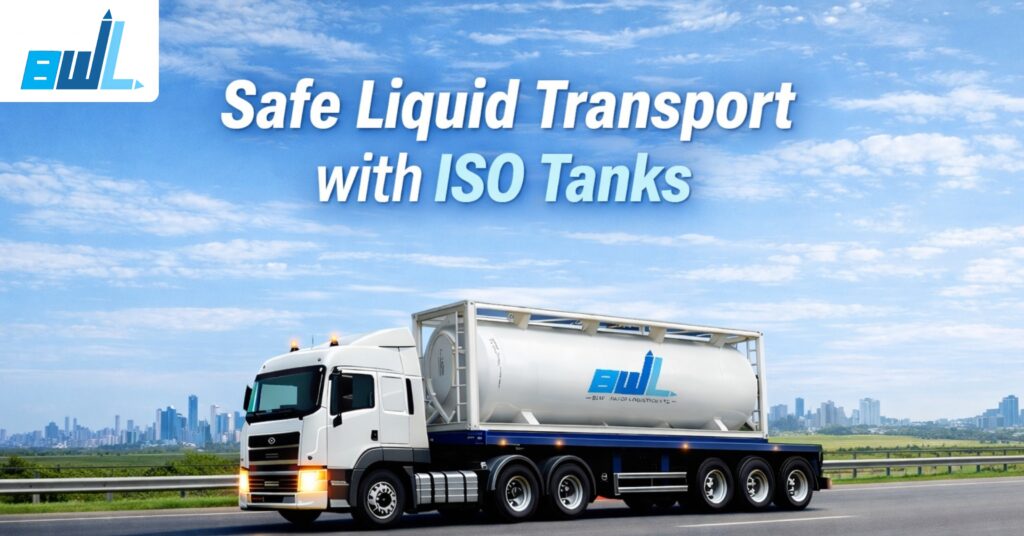
ISO Tank Containers: The Smart Solution for Safe and Efficient Liquid Transportation Global trade relies heavily on the efficient movement of goods across continents. While dry cargo often travels in standard shipping containers, transporting liquids requires specialized solutions that ensure safety, quality, and efficiency. This is where ISO Tank Containers play a crucial role in modern logistics. At Blue Water Logistics Limited, we understand the growing demand for reliable liquid transportation. ISO tank containers provide a highly secure and cost-effective solution for moving bulk liquids across international markets while maintaining strict safety and quality standards. What Are ISO Tank Containers? ISO Tank Containers, commonly known as ISO Tanks, are stainless steel tanks mounted within a protective steel frame that conforms to the standards set by the International Organization for Standardization (ISO). The standardized frame ensures that these containers can be easily handled across multiple modes of transport, including ships, trucks, and railways. These tanks are primarily designed for transporting bulk liquids such as chemicals, food-grade liquids, pharmaceuticals, oils, and hazardous materials. Their robust structure ensures safe transportation even over long distances and through complex supply chains. Unlike traditional drum or flexi-bag shipments, ISO tanks allow bulk liquid cargo to be transported in a single, sealed unit, minimizing handling and reducing the risk of contamination or leakage. Key Features of ISO Tank Containers ISO tanks are engineered to meet the highest international safety and quality standards. Their design and functionality make them one of the most reliable options for transporting liquid cargo globally. 1. Standardized Design ISO tank containers follow standardized dimensions, typically matching the size of a 20-foot container. This allows them to seamlessly integrate with global intermodal transport systems. 2. High Capacity Most ISO tanks can carry between 21,000 to 26,000 liters of liquid cargo, significantly higher than traditional packaging methods such as drums or intermediate bulk containers (IBCs). 3. Durable Construction The tank itself is usually made from high-grade stainless steel, which is resistant to corrosion and chemical reactions. It is enclosed within a strong carbon steel frame that provides structural protection during handling and transit. 4. Safety and Compliance ISO tanks are built according to strict international regulations, including pressure testing and safety certifications. This ensures safe transportation of hazardous and non-hazardous liquids. 5. Temperature Control Certain ISO tanks are equipped with insulation or heating systems that help maintain the required temperature of sensitive cargo such as edible oils or specialty chemicals. Advantages of Using ISO Tank Containers ISO tanks have transformed the logistics industry by offering numerous advantages over traditional liquid transport methods. Improved Safety Transporting liquids in drums or smaller containers increases the risk of leakage, contamination, and handling accidents. ISO tanks significantly reduce these risks because the cargo is loaded once and sealed until delivery. Cost Efficiency By transporting larger volumes in a single container, ISO tanks reduce packaging costs, handling charges, and overall transportation expenses. Environmental Sustainability ISO tanks are reusable and designed for multiple trips, making them an environmentally responsible alternative to single-use packaging materials. Reduced Cargo Handling Since the cargo remains sealed throughout the journey, there is minimal product loss or contamination risk. Global Intermodal Compatibility ISO tanks can easily move between trucks, rail networks, and ocean vessels without repackaging the cargo. This makes them ideal for international supply chains. Industries That Depend on ISO Tank Containers ISO tank containers support several industries that rely on bulk liquid transportation. Chemical Industry Chemicals represent one of the largest segments using ISO tanks. These containers ensure safe transport of hazardous and non-hazardous chemical liquids across long distances. Food and Beverage Industry Food-grade ISO tanks are commonly used for transporting edible oils, fruit juices, liquid sweeteners, and dairy products while maintaining hygiene and quality standards. Pharmaceutical Sector The pharmaceutical industry often requires controlled environments for transporting sensitive liquid ingredients. ISO tanks help maintain strict compliance with safety and quality regulations. Petrochemicals and Industrial Liquids ISO tanks are also widely used for transporting fuels, lubricants, and other industrial liquids that require secure containment. The Role of Logistics Expertise in ISO Tank Transportation While ISO tanks provide the physical infrastructure for transporting liquids, efficient logistics management is equally important. From documentation and regulatory compliance to route planning and cargo monitoring, every stage of the shipment requires professional handling. At Blue Water Logistics Limited, we provide comprehensive logistics solutions designed to ensure seamless ISO tank transportation. Our expertise in global freight forwarding, supply chain coordination, and regulatory compliance enables us to handle complex liquid cargo shipments with precision. Our team ensures that every shipment is managed with the highest level of safety, efficiency, and reliability, helping businesses move bulk liquids across global markets without disruption. The Future of Liquid Logistics As global industries expand and international trade continues to grow, the demand for efficient liquid transportation solutions will only increase. ISO tank containers are expected to play an even greater role in the future of logistics due to their safety, sustainability, and operational efficiency. Businesses looking to optimize their supply chains are increasingly turning to ISO tanks as a reliable alternative to traditional liquid packaging methods. Their ability to streamline transportation while maintaining product integrity makes them an essential component of modern logistics networks. Conclusion ISO tank containers have revolutionized the transportation of bulk liquids by providing a safe, efficient, and environmentally responsible solution. Their standardized design, high capacity, and compatibility with intermodal transport systems make them indispensable for global trade. For companies handling liquid cargo, partnering with an experienced logistics provider is essential to ensure seamless operations and compliance with international regulations. With its commitment to reliability and global connectivity, Blue Water Logistics Limited continues to support businesses with dependable logistics solutions that keep supply chains moving smoothly. Get Started with BWL Today! Enquire Now
What Door-to-Door Logistics Really Means for Importers and Exporters
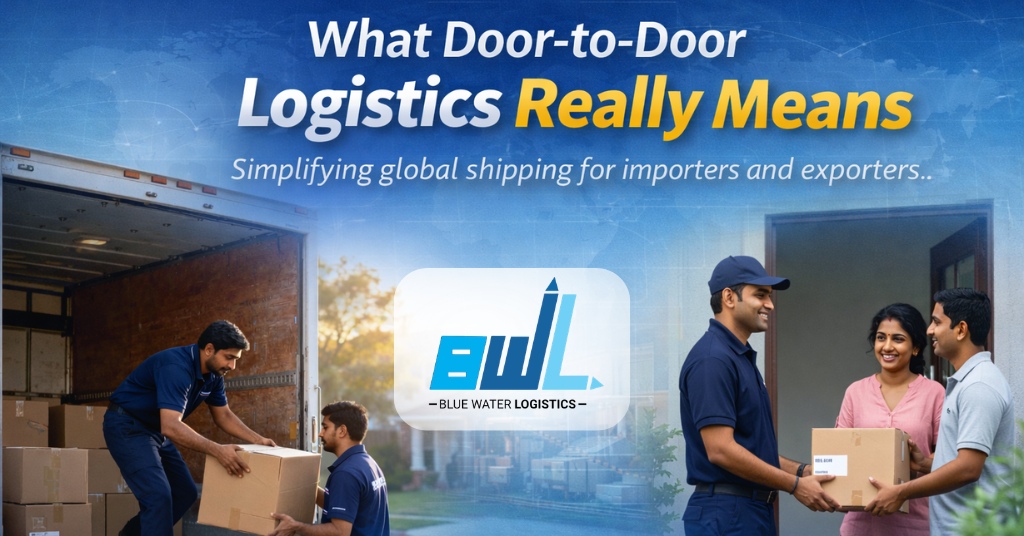
What Door-to-Door Logistics Really Means for Importers and Exporters In today’s global trade environment, businesses are increasingly looking for logistics solutions that offer simplicity, visibility, and reliability. As supply chains become more complex and international shipping regulations continue to evolve, managing multiple service providers across different stages of transportation can lead to delays, errors, and increased costs. This is where door-to-door logistics plays a crucial role. While many importers and exporters are familiar with the term, the true meaning of door-to-door logistics is often misunderstood. It is more than just transportation from one location to another—it represents a fully integrated, end-to-end logistics solution designed to simplify global cargo movement. Understanding Door-to-Door Logistics Door-to-door logistics refers to a comprehensive service where a single logistics partner manages the entire journey of cargo—from the seller’s premises to the buyer’s final destination. This includes pickup, documentation, customs clearance, multimodal transportation, warehousing (if required), and last-mile delivery. Instead of coordinating separate service providers for trucking, freight forwarding, customs, and delivery, businesses benefit from a unified solution. This approach ensures seamless coordination across every stage of the shipment, reducing complexity and improving operational efficiency. Why Door-to-Door Logistics Is Becoming Essential As businesses expand into new markets, the need for simplified logistics has grown significantly. Traditional shipping models often require companies to manage different stakeholders at each stage of the process. This increases the risk of miscommunication, delays, and compliance challenges. Door-to-door logistics eliminates these risks by offering: A single point of accountability Streamlined communication Better coordination across transport modes Greater visibility throughout the shipment lifecycle For importers and exporters, this translates into smoother operations and improved predictability. Key Components of Door-to-Door Logistics 1. Cargo Pickup and First-Mile Connectivity The process begins with pickup from the shipper’s facility. Efficient first-mile transportation ensures cargo reaches the port, airport, or consolidation hub safely and on time. 2. Documentation and Compliance Global trade involves extensive documentation, including invoices, packing lists, certificates, and regulatory approvals. A reliable logistics partner manages these requirements to ensure compliance and reduce delays. 3. Customs Clearance One of the most critical stages in international shipping is customs clearance. Door-to-door logistics includes expert handling of import and export procedures, duty classification, and regulatory compliance. 4. Multimodal Freight Movement Depending on the destination and urgency, shipments may move via sea, air, or road freight. Door-to-door services integrate these transport modes for cost efficiency and flexibility. 5. Last-Mile Delivery The final stage ensures cargo reaches the buyer’s premises safely and within agreed timelines. This step is crucial in maintaining customer satisfaction and supply chain continuity. The Benefits for Importers and Exporters Simplified Supply Chain Management By working with a single logistics provider, businesses reduce the burden of managing multiple vendors. This simplifies coordination and improves decision-making. Improved Visibility and Control Modern door-to-door logistics solutions offer real-time tracking and proactive communication, allowing businesses to monitor cargo movement and anticipate potential disruptions. Cost Optimization Integrated planning helps optimize routes, reduce unnecessary handling, and minimize operational inefficiencies. Over time, this leads to cost savings and improved profitability. Reduced Risk From documentation errors to cargo handling, risks are minimized through expert oversight and standardized processes. Faster and More Predictable Delivery With coordinated planning and execution, shipments move more efficiently, improving delivery reliability. How Door-to-Door Logistics Supports Business Growth For growing exporters and importers, scalability is a key priority. Door-to-door logistics enables businesses to expand into new markets without investing heavily in internal logistics infrastructure. By outsourcing complex logistics processes to experienced professionals, companies can focus on core activities such as product development, sales, and customer engagement. This strategic approach supports faster growth and improved competitiveness in global markets. When Businesses Should Choose Door-to-Door Logistics While door-to-door logistics is beneficial in many scenarios, it is particularly valuable when: Shipping to new or unfamiliar markets Managing high-value or sensitive cargo Handling time-sensitive consignments Expanding global distribution networks Reducing operational complexity In such cases, an integrated logistics solution ensures smooth cargo movement and business continuity. The Role of Expertise in Delivering Seamless Solutions Effective door-to-door logistics requires deep industry knowledge, strong global networks, and regulatory expertise. From planning routes to managing customs and coordinating last-mile delivery, each stage demands precision and proactive management. Blue Water Logistics Limited offers comprehensive door-to-door logistics solutions tailored to the needs of importers and exporters. By integrating sea, air, and road freight with customs expertise and operational excellence, the company ensures reliable and efficient cargo movement across global supply chains. Conclusion In a world where supply chain efficiency directly impacts business success, door-to-door logistics has become a strategic necessity. It simplifies operations, improves visibility, reduces risk, and enhances overall efficiency. For importers and exporters seeking reliable, end-to-end solutions, door-to-door logistics is not just a convenience—it is a competitive advantage. By partnering with experienced logistics providers, businesses can navigate global trade with confidence and focus on long-term growth. Get Started with BWL Today! Enquire Now
Sea, Air, or Road Freight: Choosing the Right Mode for Your Cargo
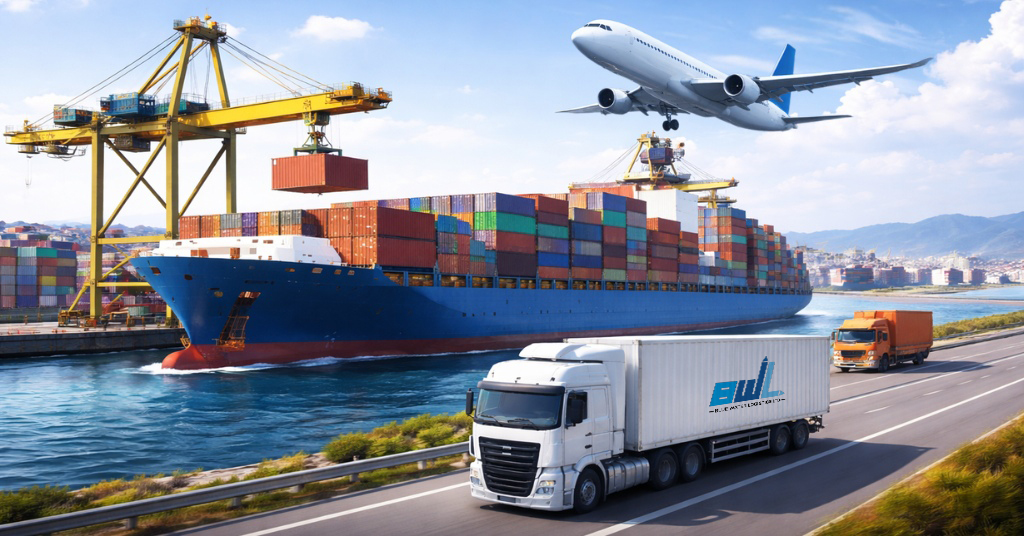
Sea, Air, or Road Freight: Choosing the Right Mode for Your Cargo In today’s fast-evolving global trade landscape, businesses are constantly balancing speed, cost, reliability, and flexibility in their supply chains. One of the most critical decisions exporters and importers face is selecting the right transportation mode for their cargo. Whether it is sea, air, or road freight, each mode offers distinct advantages depending on the nature of the shipment, timelines, and business priorities. Understanding how these freight options differ and when to use each can significantly improve operational efficiency, reduce costs, and ensure smoother cargo movement. This guide explores the key factors that help businesses make informed decisions when choosing between sea, air, and road freight. Understanding the Importance of Choosing the Right Freight Mode The right logistics strategy begins with selecting the most suitable transport mode. Many businesses often default to a familiar option without considering how the cargo’s characteristics, urgency, or destination can influence the choice. However, a well-planned multimodal approach can enhance supply chain resilience and flexibility. Choosing between sea, air, and road freight is not simply about transportation—it is about aligning logistics with business goals. The right decision can help maintain product quality, meet delivery commitments, and optimize overall costs. When Sea Freight Is the Best Option Sea freight remains the backbone of international trade, handling the majority of global cargo movement. It is particularly suitable for businesses that ship large volumes and prioritize cost efficiency over speed. Key Advantages of Sea Freight One of the primary benefits of sea freight is its ability to move bulk cargo economically. Whether through full container load (FCL) or less-than-container load (LCL), it offers flexibility for shipments of different sizes. This makes sea freight an ideal choice for manufacturers, exporters, and distributors managing large-scale operations. Sea freight is also well-suited for: Heavy and oversized cargo Industrial goods and raw materials Long-distance international shipments Non-urgent deliveries Additionally, ocean transportation supports sustainability goals by offering lower carbon emissions per ton compared to air freight. Considerations While cost-effective, sea freight involves longer transit times and requires detailed planning. Weather conditions, port congestion, and documentation processes can influence delivery timelines. Businesses must plan ahead to ensure supply continuity. When Air Freight Is the Right Choice In contrast to sea freight, air freight is designed for speed and precision. It is the preferred solution for time-sensitive cargo that must reach its destination quickly and securely. Key Advantages of Air Freight Air freight offers faster transit, making it ideal for industries such as pharmaceuticals, electronics, and high-value goods. It ensures minimal handling, reducing the risk of damage and enhancing cargo security. Air freight is especially effective for: Urgent shipments Perishable goods High-value or sensitive cargo Just-in-time inventory systems It also provides greater reliability in terms of scheduling and global connectivity, helping businesses maintain supply chain continuity. Considerations The primary limitation of air freight is cost. It is significantly more expensive than sea freight and has restrictions on weight and volume. Therefore, businesses must carefully assess whether speed justifies the higher expense. The Role of Road Freight in Logistics Road freight plays a critical role in both domestic and cross-border transportation. It connects ports, airports, warehouses, and final delivery locations, ensuring seamless cargo movement across the supply chain. Key Advantages of Road Freight One of the biggest strengths of road transport is flexibility. It supports door-to-door delivery and enables businesses to customize routes based on their operational needs. Road freight is ideal for: Short to medium distances Regional and domestic cargo First-mile and last-mile connectivity Cross-border movement in neighboring countries It also allows better control over schedules and enables real-time tracking and monitoring. Considerations Road freight may be influenced by traffic, infrastructure, regulatory conditions, and weather. Businesses must work with experienced logistics partners to optimize routing and minimize disruptions. Why Multimodal Logistics Is Becoming Essential As supply chains grow more complex, many businesses are adopting multimodal logistics strategies that combine sea, air, and road freight. This integrated approach provides greater flexibility and helps overcome limitations associated with relying on a single transport mode. For example, a shipment may travel by sea for cost efficiency, followed by road transportation for last-mile delivery. In urgent scenarios, air freight can be combined with road transport to accelerate timelines. Multimodal freight solutions enable businesses to: Balance cost and speed Improve supply chain resilience Reduce risk and dependency Enhance visibility and coordination This strategic integration has become a key differentiator in modern logistics. Factors to Consider When Choosing Between Sea, Air, and Road Freight Selecting the right mode depends on several critical factors. Businesses should evaluate: 1. Delivery Timeline Urgent shipments may require air freight, while flexible timelines support sea freight. 2. Cargo Type Perishable, hazardous, or sensitive cargo often demands specialized transport. 3. Cost Sensitivity Budget constraints influence the choice between speed and economy. 4. Volume and Weight Large shipments favor sea freight, while smaller loads may benefit from air or road. 5. Destination and Accessibility Remote or inland destinations often require road connectivity. 6. Risk and Security High-value goods may need faster and more secure transport. By carefully assessing these factors, businesses can make data-driven decisions that improve operational efficiency. How Expertise Enhances Freight Decisions While understanding these options is important, the real value lies in working with an experienced logistics partner who can evaluate requirements and recommend the most efficient strategy. Expert guidance ensures that cargo moves through the most suitable routes and modes, reducing delays and improving predictability. Blue Water Logistics Limited provides integrated sea, air, and road freight solutions, enabling businesses to choose the right mode based on cargo, urgency, and cost priorities. With global networks, regulatory expertise, and operational coordination, the company supports seamless cargo movement across international markets. Conclusion There is no single answer when it comes to choosing between sea, air, and road freight. The ideal solution depends on the shipment’s nature, urgency, and business objectives. By understanding the strengths of each mode and adopting a multimodal strategy, businesses can achieve