
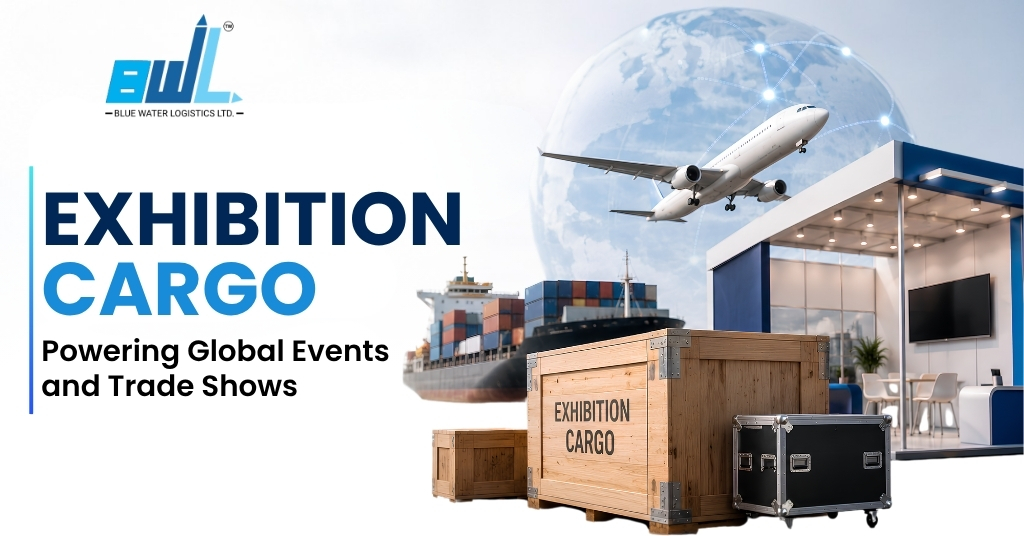
In today’s global business landscape, exhibitions and trade shows play a major role in helping companies showcase products, build partnerships, and expand into new markets. Behind every successful exhibition, however, lies a highly coordinated logistics process that ensures cargo arrives safely, on time, and in perfect condition.
This specialized logistics segment is known as exhibition cargo, the transportation and handling of goods, equipment, and materials required for exhibitions, expos, trade fairs, and international events.
From product displays and promotional materials to heavy machinery and advanced technology equipment, exhibition cargo logistics requires precision, planning, and efficient coordination across multiple stages of transportation.
Exhibition cargo refers to the transportation of goods specifically intended for trade shows, exhibitions, conferences, and corporate events. Unlike standard freight shipments, exhibition cargo often involves strict timelines, temporary imports, special customs procedures, and delicate handling requirements.
Exhibition cargo may include:
Managing exhibition cargo is significantly more complex than regular freight movement. Every stage from packing and customs clearance to on-site delivery and post-event returns must be carefully coordinated.
Exhibitions and trade fairs run on fixed dates, leaving little room for delays. Late cargo arrivals can disrupt booth setup, impact business opportunities, and create operational challenges for exhibitors.
Specialized exhibition logistics providers focus on detailed scheduling and real-time coordination to ensure shipments arrive exactly when needed.
Many exhibition shipments are temporary imports, meaning the cargo enters a country for a limited period before being returned or forwarded elsewhere.
This process often requires:
Proper documentation and customs expertise are essential to avoid delays and unnecessary costs.
Exhibition cargo frequently includes high-value products, fragile displays, and sensitive equipment. Improper handling during transportation or installation can lead to damage and financial loss.
Professional logistics teams use specialized packing methods, secure transportation systems, and careful on-site handling procedures to protect cargo throughout the journey.
Exhibition logistics often involves multiple moving parts including freight forwarding, warehousing, customs clearance, venue coordination, and on-site installation support.
Efficient coordination between all stakeholders is essential to ensure smooth execution before, during, and after the event.
Freight Transportation – Cargo can be transported through air freight, sea freight, or road transportation depending on timelines, cargo size, and destination requirements.
Customs Clearance – Handling international exhibition cargo requires expertise in customs procedures, temporary imports, and documentation management.
Packing and Crating – Specialized packaging protects fragile and valuable cargo during long-distance transportation and repeated handling.
On-Site Delivery and Installation – Logistics teams coordinate directly with exhibition venues to ensure cargo is delivered to the correct booth location and positioned according to event schedules.
Reverse Logistics – Once the exhibition concludes, cargo must often be returned, redirected, or stored for future events. Reverse logistics ensures efficient cargo retrieval and transportation after the event.
Some major sectors include:
As international trade events become larger and more technologically advanced, exhibition logistics is evolving rapidly. Businesses increasingly expect faster transportation, real-time tracking, streamlined customs processes, and sustainable logistics practices.
Digital freight management systems, improved supply chain visibility, and specialized event logistics solutions are helping the industry become more efficient and responsive. At the same time, global exhibitions continue to create opportunities for businesses to expand internationally, making reliable exhibition cargo logistics more important than ever.
BLUE WATER LOGISTICS LIMITED
(Formerly known as Blue Water Logistics Private Limited)
CIN No: L63030TG2022PLC165815
H NO.8-2-270/B/1/2, Block-3, 4th Floor Uptown Banjara, Road No.3, Banjara Hills, Hyderabad, Telangana, India, 500034